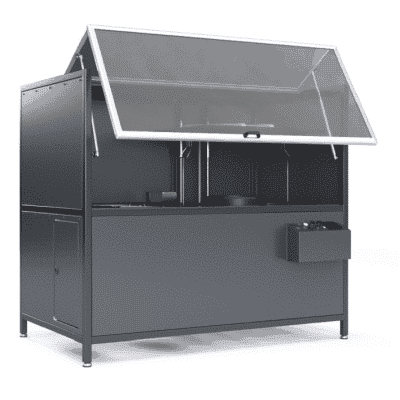
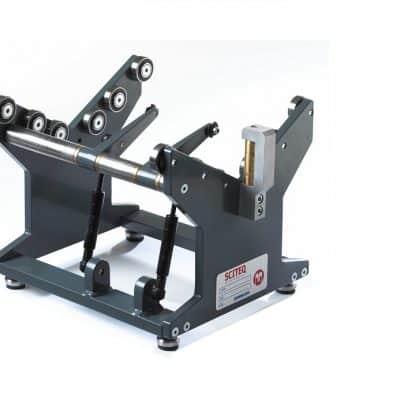
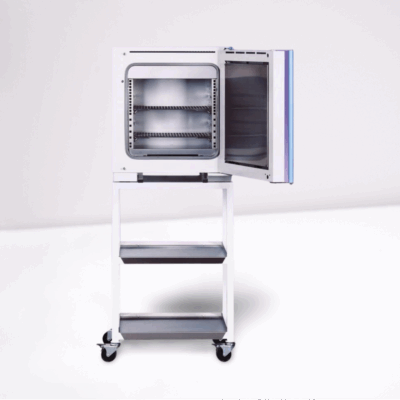
ISO 2506 outlines test methods for determining longitudinal reversion of thermoplastics pipes after heating. It applies to pipes made from materials such as PE, PVC, and PP, and ensures dimensional stability, quality control, and regulatory compliance by measuring changes in pipe length after exposure to elevated temperatures.

Overview of ISO 2506
ISO 2506 is an international standard that specifies the methods for determining the longitudinal reversion of thermoplastics pipes used for the conveyance of fluids. The standard is primarily applied to pipes produced from thermoplastics such as polyethylene (PE), polyvinyl chloride (PVC), and polypropylene (PP). The longitudinal reversion test is used to determine the dimensional stability of plastic pipes when subjected to elevated temperatures, providing important data about their behavior in service conditions and performance reliability.
Purpose and significance
This standard is critical for manufacturers and testing laboratories to assess the thermal stability of thermoplastic pipes. By exposing pipe samples to controlled heating, ISO 2506 establishes whether the material’s dimensions remain within acceptable limits, preventing issues such as deformation or shrinkage during storage, transport, or installation. The results are used to maintain product quality and compliance with relevant safety requirements, aligning finished products with both industry and regulatory expectations. Testing according to ISO 2506 is often a component of both initial type testing and routine factory production control.
Applications in the industry
ISO 2506 is widely used throughout the plastic pipe manufacturing sector, especially for pressure and non-pressure pipes. Its application extends from raw material development and pipe production to third-party quality assessment. Compliance with ISO 2506 helps companies document product performance, support technical datasheets, and meet requirements for national and international markets.
Takeaway
ISO 2506 provides a standardized, repeatable process for assessing the thermal dimensional stability of thermoplastics pipes. This ensures reliability and performance, contributes to global trade, and facilitates product certification for manufacturers and suppliers.
Initial preparation and sample selection
To perform the longitudinal reversion test according to ISO 2506, begin by selecting representative pipe samples specified within the standard, considering pipe diameter, wall thickness, and intended usage. Prepare the specimens by cutting them to the required length as defined by the standard. Care should be taken not to introduce surface damage or deformation during cutting, as this may impact results.
Heating procedure
Place the prepared samples in a heating oven or liquid bath set to the temperature indicated in the standard. The samples are suspended in such a way that they are freely supported and not subjected to any external force or constraint during heating. The exposure time and precise temperature are determined based on the material type and pipe dimensions.
Cooling and measurement
After the heating period, remove the samples and allow them to cool to room temperature under the conditions specified by ISO 2506. Measure the change in length of each specimen using appropriate measuring tools. The longitudinal reversion is expressed as a percentage, calculated by comparing the length before and after the test. Any deviation or visible change such as cracking, splitting, or deformation is recorded and evaluated.
Complying with reporting requirements
The final step includes documenting all findings, including test conditions, sample identification, original and final dimensions, and observed results in accordance with the requirements of ISO 2506. These results are compared with the maximum allowable reversion rates given in the standard or relevant product specification to determine compliance.
Best practices in execution
To ensure accurate and repeatable test results, it is important to calibrate all equipment regularly, follow sample preparation guidelines closely, and maintain precise control over heating conditions. Proper training of personnel and adherence to the described test sequence helps minimize variability and supports reliable quality control in production environments.
Summary
When conducting the longitudinal reversion test according to ISO 2506, careful adherence to the standard’s instructions is essential for obtaining reliable data on the dimensional stability of thermoplastic pipes. The stepwise process—from preparation and heating through measurement and reporting—allows manufacturers to demonstrate compliance, manage process quality, and support regulatory documentation requirements.
We are at your disposal for any questions, comments and suggestions. We look forward to hearing from you.
Feel free to contact us using the contact form below.
We strive to answer all inquiries within 24 hours (on working days).