ISO 9852

ISO 9852 sets out test methods to determine the resistance of thermoplastics pipes to repeated internal pressure cycles. It covers test setup, cycle procedure, and criteria for pass or fail, providing a standard approach for evaluating pipe endurance and hydraulic performance for various thermoplastic materials.

More ISO standards

View all standards here
ISO 9852

Key points about ISO 9852 testing for thermoplastics pipes

Overview of ISO 9852 pipe testing standard

ISO 9852 is an international standard that specifies the method for determining the resistance to cyclic pressure of thermoplastics pipes intended for the transport of fluids. The main purpose of this standard is to assess the endurance and long-term durability of pipes when subjected to repeated internal water pressure cycles, which helps simulate real-life operating conditions. ISO 9852 applies to pipes made of various thermoplastic materials, including but not limited to PVC-U, PE, and PP, for cold and hot water applications as well as for other fluids. The test described in the standard provides valuable data for manufacturers, laboratories, and certifying bodies in the plastic pipe industry.

  • Addresses cyclic internal water pressure testing for thermoplastics pipes
  • Applicable to a range of thermoplastic materials, including polyethylene and polyvinyl chloride
  • Used to evaluate the hydraulic performance and fatigue resistance of pipes in service conditions


Details on implementation and scope

The ISO 9852 standard applies to both solid wall and structured wall pipes. It defines critical parameters such as the test temperature, cycling frequency, minimum test duration, and the configuration of the pipe specimens. The primary objective is to determine the pipe’s ability to withstand repetitive increases and decreases in internal water pressure without failure. The resulting performance data support product development and compliance for manufacturers, and provide assurance of product quality for end users. ISO 9852 is widely referenced by regulators and quality assurance organizations within the plastic piping sector, and may be used for both type testing and routine quality control.


Main benefits for the pipe industry

Adhering to ISO 9852 ensures reliable, repeatable test conditions and results, making it possible to compare the endurance of different products and materials objectively. The standard is a useful tool for demonstrating compliance with regional or international regulations, and for verifying that pipes fulfill the expected requirements for cyclic pressure resistance throughout their intended lifetime. Laboratories can use ISO 9852 to support both certification and ongoing monitoring, helping to reduce the risk of pipe failure in service. Familiarity with this standard is important for technical teams, designers, and manufacturers involved in supplying plastic pipe systems.


Takeaway

ISO 9852 plays an important role in validating the durability of thermoplastic pipes through cyclic pressure testing. Correct application of this standard helps manufacturers ensure product integrity and supports ongoing industry innovation.

  • Establishes a uniform approach to cyclic pressure testing
  • Provides criteria for long-term performance assessment
  • Supports product development, certification, and quality control
  • Serves as a reference for regulatory compliance and market access

Practical steps for ISO 9852 cyclic pressure test

Setting up the test environment and equipment

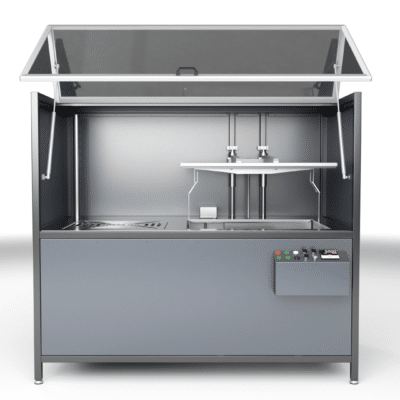
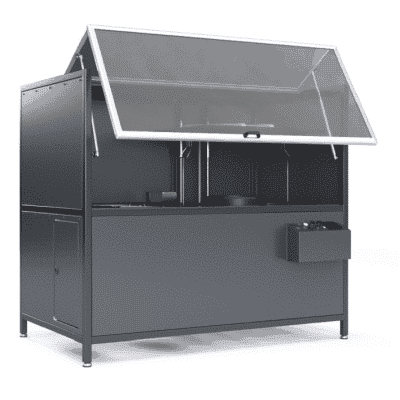
The ISO 9852 cyclic pressure test begins with the careful preparation of test specimens and setup of suitable laboratory equipment. Test specimens should be representative pipe sections with precise lengths and end closures according to the specifications given in the standard. The cyclic pressure tester must be calibrated and capable of applying internal water pressure cycles reliably, at defined values and frequencies. Water temperature in the test system should be controlled within the tolerances set out by ISO 9852, typically between 20°C and 23°C, unless otherwise specified. Recording equipment must be prepared for continuous monitoring of the applied pressure and any signs of pipe failure during the test, such as leaks, fractures, or dimensional changes.


Cycling procedure according to ISO 9852

The test is conducted by subjecting pipe specimens to a predefined number of internal pressure cycles. Each cycle consists of applying a peak (maximum) pressure, holding it for a fixed duration, and then reducing to a base (minimum) pressure before starting the next cycle. ISO 9852 specifies the pressure range, rate of pressurization and depressurization, and total number of cycles, which may depend on pipe diameter, wall thickness, and material type. All tests should take place at the specified water temperature and under continuously recorded conditions.

  • Connect pipe ends securely and ensure leak-free joints
  • Fill test pipes with temperature-controlled water
  • Set test equipment to cycle between defined max and min pressures


Assessing and recording the test outcome

Throughout testing, specimens must be observed for any signs of failure or leakage. ISO 9852 outlines what constitutes failure (such as visible cracks, weeping, or rupture) and how to evaluate whether the test result is a pass or fail. At the conclusion of the required cycle number, the test is stopped and specimens are removed for inspection. All relevant data, including detailed test conditions, cycle counts, failure modes, and observations, are recorded. This documentation is essential for quality control records, certification processes, and comparison of product performance.


Critical points for ISO 9852 execution

Careful preparation and strict adherence to standardized conditions are essential for obtaining reliable results. The key is consistent application of pressure cycles with controlled water temperature and accurate recording of outcomes. Well-maintained and calibrated testing equipment is crucial, as are well-prepared specimens without defects and precise measurement of all relevant variables. Results from ISO 9852 testing provide valuable evidence for product improvement and for meeting customer as well as regulatory expectations.

  • Ensure calibration of all testing apparatus
  • Follow specimen preparation guidelines strictly
  • Maintain water temperature within the specified range
  • Monitor and record all pressure cycles accurately
  • Inspect and document any signs of failure with detail


Maintaining compliance and repeatability

Consistent alignment with ISO 9852 protocols over multiple batches and test cycles provides traceability and continuity in product quality management. Proper archiving of records and calibration logs are also necessary for audit purposes and ongoing process improvements. This contributes to reliable performance of thermoplastic pipe systems in their intended applications due to validated cyclic pressure resistance as per the international standard.


Summary

Implementing ISO 9852 allows manufacturers and laboratories to objectively test and compare the cyclic pressure endurance of thermoplastic pipes. Accurate and repeatable test results contribute to reliable product performance and wider market acceptance.

  • Prepare and condition test specimens per ISO 9852 guidelines
  • Conduct cyclic pressure testing with correct equipment settings
  • Record, assess, and document all relevant data as required

Talk to one of our testing experts

Peter Sejer

Partner & Sales Director

+45 8696 1933

+45 4051 0278

[email protected]

Jonas Jørgensen

Sales Manager

+45 8696 1933

+45 2779 2178

[email protected]

Dennis Damborg Hansen

Managing Director

+45 8696 1933

+45 4241 7574

[email protected]

Contact information

We are at your disposal for any questions, comments and suggestions. We look forward to hearing from you.

Contact form

Feel free to contact us using the contact form below.
We strive to answer all inquiries within 24 hours (on working days).


    Need help?

      Thank you!
      We will contact you as soon as possible.