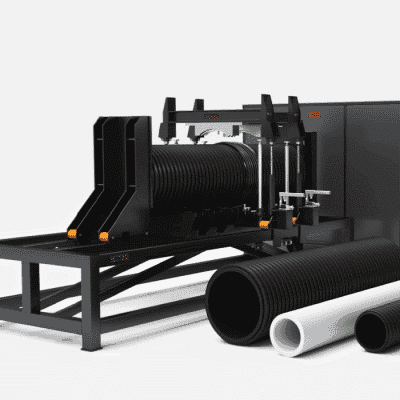
ISO 13259 sets methods for testing the leaktightness of buried thermoplastic pipes, primarily for non-pressure drainage and sewerage systems. It covers PVC-U, PP, and PE materials, specifies procedures for joint and system testing, and defines acceptance criteria for watertight integrity under defined conditions.

Overview and purpose
ISO 13259 specifies test methods for assessing the leaktightness of buried thermoplastics piping systems, which are intended primarily for non-pressure drainage and sewerage. The standard outlines procedures for both high-pressure and low-pressure testing conditions, ensuring reliable performance of pipes and fittings under a variety of operational environments. The objective of ISO 13259 is to verify that assembled pipe systems can maintain integrity and prevent leakage when installed below ground, contributing to the safety, functionality, and longevity of infrastructure requiring watertight connections.
Scope and application
ISO 13259 is applicable to both new and aged piping systems. It focuses on systems for both underground and above-ground applications that are not subjected to continuous internal pressure. The standard provides detailed descriptions of sample preparation, conditioning, test duration, test pressures, and pass/fail criteria to ensure consistency and comparability across laboratories and installations. It is used by manufacturers, quality control specialists, and certification bodies to ensure that their products meet required specifications for integrity and performance.
Test procedures
The core procedure involves preparing pipe assemblies in accordance with manufacturer guidelines, conditioning them as specified, and then subjecting them to external hydrostatic or pneumatic pressure for a defined duration. The system is observed for visible signs of leakage or structural failure. Additional procedures may include cyclic pressure tests or exposure to temperature variation to simulate real-world application conditions.
Takeaway
ISO 13259 defines comprehensive test methods for buried thermoplastic piping systems used in drainage and sewerage, providing clear procedures for leak testing, joint evaluation, and acceptance criteria.
Preparation and sample selection
Begin by selecting representative samples of pipes, fittings, and assemblies in accordance with the requirements of ISO 13259. Ensure that the test pieces are free from visible defects and assembled according to manufacturer instructions. All samples should be conditioned to standard laboratory conditions, such as temperature and humidity, to make testing results consistent and reproducible.
Test setup and apparatus
Install the test assembly into the test rig, ensuring airtight or watertight connections to prevent false positives. Fill the system with water (for hydrostatic testing) or air (for pneumatic testing) as specified by the relevant part of the standard. Attach all measurement devices, such as pressure gauges and valves, and verify their calibration.
Application of test pressure and observation
Gradually increase the internal pressure to the level required by ISO 13259, taking care to avoid sudden surges. Once at the correct pressure, maintain it for the specified period, carefully observing the test assembly.
Inspection and evaluation
After the pressure hold period, inspect the system for signs of leakage, including water droplets, misting, or pressure drop beyond specified limits. Note any failures, such as visible leaks, joint separation, or material cracks. Repeat tests as needed, and compare results to the pass/fail criteria established by the standard and any relevant product specifications.
Reporting
Compile a comprehensive test report, including information about samples, testing apparatus, conditioning, pressures applied, duration, results, and conclusions. The report should follow the format recommended by ISO 13259 to facilitate comparison and verification by certifying authorities, manufacturers, or customers.
Summary
Leaktightness testing according to ISO 13259 is a systematic process involving sample preparation, assembly, application of hydrostatic or pneumatic pressure, inspection for leakage, and detailed reporting. Following each step strictly ensures reliable test results for regulatory compliance and product certification.
We are at your disposal for any questions, comments and suggestions. We look forward to hearing from you.
Feel free to contact us using the contact form below.
We strive to answer all inquiries within 24 hours (on working days).