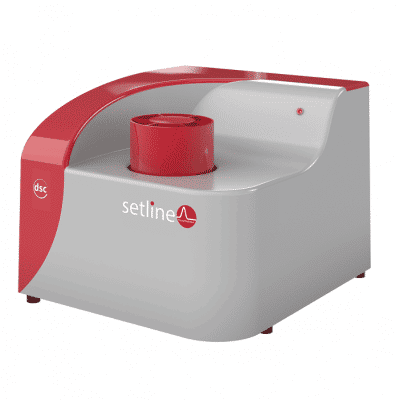
EN 728 specifies a test method to measure oxidation induction time in polyolefin pipes and fittings using differential scanning calorimetry. This standard assesses thermal stability, supports quality control, and helps ensure adequate antioxidant protection in polyethylene and polypropylene piping materials. Applies to water, gas, and industrial pipelines.

Overview of EN 728
EN 728 is a European standard that specifies a test method used to determine the oxidation induction time (OIT) of polyolefin pipes and fittings, particularly those made from polyethylene (PE) or polypropylene (PP). This testing procedure provides a means to assess the thermal stability of polyolefin materials by measuring their resistance to oxidative degradation when subjected to heat in the presence of oxygen. Ensuring proper OIT is important, as it relates to the expected longevity and durability of plastic pipes used in various applications.
Test significance
The OIT value determined by EN 728 allows manufacturers to verify if adequate antioxidants have been incorporated into the polymer, ensuring the material’s resistance to oxidative stress over its service life. A higher OIT generally indicates better protection against oxidation. Regular testing helps maintain consistent material quality and supports compliance with relevant regulations and specifications.
Scope and applicability
EN 728 is applicable to all polyolefin-based piping products and does not apply to non-polyolefin materials. It is widely used across Europe, providing a harmonized approach to evaluate oxidative stability in new batches of raw material, finished pipes, and fittings. This standard forms an essential part of the overall quality management process for manufacturers producing pipes for potable water, gas, and industrial fluids.
Takeaway
EN 728 delivers an established method for evaluating the oxidative stability of polyolefin pipes and fittings, helping ensure the reliability and long-term performance of pipeline systems. The standard is one of several commonly required by industry regulations and specifications.
Preparation of test specimens
Specimens must be prepared from polyolefin pipes, fittings, or raw materials according to the dimensions set by the standard. Samples are typically cut into small sections or disks with a thickness suitable for placement in the DSC instrument’s sample pan. It is important to avoid thermal or mechanical degradation of the sample during preparation to ensure that the results reflect the actual material properties.
Equipment and test conditions
The test requires a calibrated differential scanning calorimeter (DSC), capable of maintaining a set temperature and accurate atmospheric control. The instrument must be purged properly with oxygen before testing. Key parameters, including heating rate and test temperature (typically 200°C for PE and 210°C for PP), are set according to EN 728 recommendations.
Conducting the OIT measurement
The test begins by heating the specimen to the required temperature in an inert atmosphere (nitrogen), ensuring any previous oxidation is avoided. Once the set temperature is stabilized, the atmosphere is switched from nitrogen to oxygen at a controlled rate. The instrument measures the time elapsed from the start of oxygen exposure to the onset of oxidative exothermic reaction—this is recorded as the oxidation induction time (OIT). The result is expressed in minutes.
Interpreting and recording results
DSC data is analyzed to determine the induction time, and results are compared to minimum OIT values specified for the specific application or product. These values are recorded, reported, and retained in quality control documentation. Manufacturers often integrate this process into batch release or certification protocols.
Additional considerations
Factors such as sample size, cleanliness, instrument calibration, and environmental conditions can influence the accuracy and repeatability of OIT measurements. Consistent procedures and regular equipment checks are essential to reliable results. The method can also be used to compare the effectiveness of different antioxidants or processing techniques across various polyolefin materials, supporting process improvement and product innovation.
Summary
The EN 728 standard provides a structured approach for evaluating the oxidative stability of polyolefin piping materials, using DSC to measure oxidation induction time. By following a consistent test procedure, manufacturers can ensure compliance, maintain product quality, and support the long-term durability of piping systems.
We are at your disposal for any questions, comments and suggestions. We look forward to hearing from you.
Feel free to contact us using the contact form below.
We strive to answer all inquiries within 24 hours (on working days).