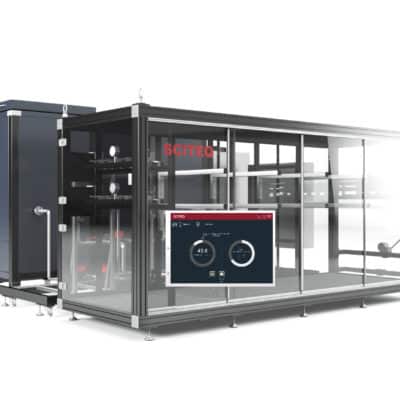
DVGW W 543 sets technical requirements for designing, installing, and operating potable water systems using plastic pipes. It covers certified materials, jointing techniques, pressure testing, and documentation, aiming to ensure reliable and hygienic water supply in both new and existing installations.
Overview of DVGW W 543
DVGW W 543 is a German standard that specifies the technical requirements for the installation and operation of potable water piping systems that use plastic pipes and fittings. This standard is developed by the DVGW (German Technical and Scientific Association for Gas and Water) and focuses on ensuring reliable and hygienic water supply through proper materials selection, system design, and installation practices. DVGW W 543 addresses aspects such as jointing technologies, pressure resistance, leak tightness, and the use of approved pipes and fittings to avoid contamination or mechanical failure over time.
Key considerations in DVGW W 543
The standard requires that only materials and products with DVGW certification are used in drinking water installations. It details test procedures for mechanical strength, chemical resistance, and long-term performance. Installation requirements include precise guidelines for connections, supports, expansion compensation, and flushing procedures to reduce risks of leakage or bacterial growth. DVGW W 543 also outlines documentation necessities to provide traceability for installed components.
Field of application
DVGW W 543 is primarily intended for those responsible for the planning, installation, and maintenance of potable water systems using plastic pipes in buildings and public infrastructure. Compliance is essential for ensuring the durability and safety of water supply, and adherence to this standard is often required for regulatory approval or certification in Germany and recognized throughout Europe for quality assurance.
Takeaway
DVGW W 543 forms a comprehensive framework for the safe design, installation, and maintenance of plastic piping systems for potable water applications.
Detailed steps for achieving compliance
Implementing DVGW W 543 involves several technical and practical steps, beginning with the selection of certified piping materials and progressing through precise installation, testing, and documentation. This standard outlines procedures that, when followed closely, help ensure the reliability and hygiene of potable water systems using plastic pipes in both new and existing constructions. Careful adherence at each stage is necessary for regulatory acceptance and long-term system performance.
Preparing the system
The first step is selecting pipes, fittings, and other components that have official DVGW approval for potable water. Review system designs to ensure compatibility with standard requirements, including dimensions, pressure ratings, and intended use. Prepare an installation plan that addresses pipe routing, supports, jointing technologies, and points for expansion compensation.
Installation and connection procedures
During installation, strictly adhere to the recommended jointing methods specified by DVGW W 543 for the pipe material in use (e.g., welding, mechanical, adhesive). Ensure that temperatures and environmental conditions are within the prescribed limits. Pay close attention to alignment, use proper tools, and protect open pipe ends from contamination during handling and assembly. Document each section as it is installed.
Commissioning and testing
After mechanical installation, conduct mandatory pressure testing according to DVGW W 543 guidelines. Flush the newly assembled pipe sections thoroughly to remove any debris or contaminants. Record all test data and system parameters as specified in the standard, ensuring traceability for product and installation quality. Only release the system for operation after passing the required tests and completing documentation.
Routine inspection and documentation
Once the system is in operation, maintain records for all installed components, test results, and maintenance activities. Schedule routine inspections in accordance with the standard to ensure ongoing compliance with safety and performance requirements. Address any detected issues using approved repair and replacement methods under DVGW W 543 oversight.
Summary
Following DVGW W 543 step by step ensures a safe, reliable, and hygienic potable water system. The process emphasizes certified materials, correct installation and jointing, thorough testing, and proper documentation to meet industry and regulatory demands.
We are at your disposal for any questions, comments and suggestions. We look forward to hearing from you.
Feel free to contact us using the contact form below.
We strive to answer all inquiries within 24 hours (on working days).