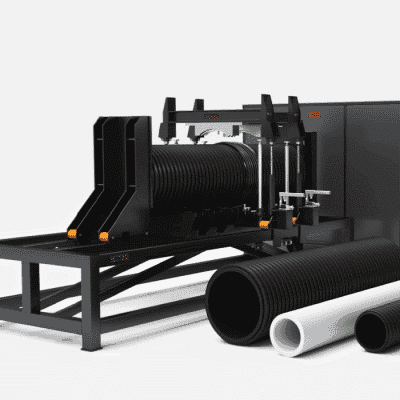
ASTM D-3212 specifies watertight performance requirements for joints in PVC and other thermoplastic pipes used in gravity flow, non-pressure sewer and drainage systems. It details joint material, assembly, and hydrostatic testing methods to ensure resistance to both internal and external pressure without leakage.

General information about ASTM D-3212
ASTM D-3212 is a standard that specifies the performance requirements for joints in unplasticized polyvinyl chloride (PVC) and other thermoplastic pipes used for non-pressure applications, particularly in gravity flow sewer and drain systems. The standard covers the testing of joints with flexible elastomeric seals to ensure watertight connections under laboratory conditions. It sets forth criteria for the materials, performance, and minimum requirements for joint tightness, assuring integrity against infiltration and exfiltration when tested under specified internal and external pressures.
Testing parameters and scope
The scope of ASTM D-3212 includes details on pipe dimensions, tolerances, joint assembly procedures, and the physical properties required for satisfactory long-term joint performance. Test methods within the standard involve subjecting assembled pipe joints to both internal hydrostatic pressure and external hydrostatic pressure, monitoring for any signs of leakage or failure of the joint seal. This approach helps ensure that installed pipelines meet the necessary requirements for usage in buried or above-ground installations, minimizing risks related to groundwater infiltration or escape of conveyed fluids.
Applications and industries
ASTM D-3212 is relevant for manufacturers, laboratories, and contractors producing or installing sewer, drainage, and other non-pressure piping networks using thermoplastic materials. The standard is widely referenced in municipal, civil engineering, and construction projects that require reliable watertight joints in plastic pipelines for transport of wastewater or storm water in gravity flow systems.
Takeaway
ASTM D-3212 ensures the consistency and reliability of plastic pipe joints in non-pressure sewer and drainage applications by defining joint material, assembly, and testing requirements. Adhering to this standard helps reduce water infiltration, system failures, and maintenance concerns in gravity flow pipe networks.
Preparing the test assembly
Select pipe sections and elastomeric seals that meet the dimensional and material requirements outlined in ASTM D-3212. Clean and inspect all joint surfaces to remove debris or contamination that could interfere with proper sealing. Assemble the joint by inserting the elastomeric seal and joining the pipe segments as per manufacturer instructions. Ensure full engagement of the pipe ends and even compression of the seal throughout the joint circumference.
Setting up hydrostatic testing
Once the assembly is complete, the test specimen is configured for hydrostatic leak testing. Tests should be conducted at both internal positive and external negative pressures as prescribed by ASTM D-3212. The setup will typically involve connecting pressure sources, gauges, and containment systems to safely monitor for leakage during the test cycles.
Conducting the leak test
With the assembly ready, commence the leak test by gradually applying the specified pressure (commonly 10.8 psi internal for 10 minutes and/or 4.3 psi external vacuum for 10 minutes) to the pipe joint. Observe and document whether any leakage occurs around the joint or seals during the prescribed period. The joint must remain leak-free for the duration of both tests to comply with the requirements of ASTM D-3212.
Completing and evaluating the test
After completing the positive and negative pressure tests, record the results and inspect the joint for any signs of failure or water ingress. The specimen may then be disassembled for further examination if needed. Pass/fail outcomes are determined strictly according to the leakage criteria in ASTM D-3212.
Notes on test equipment and procedures
Testing according to ASTM D-3212 requires the use of calibrated pressure gauges, test stands, and fixtures that meet the accuracy and performance specifications in the standard. Consistent procedures for cleaning, assembly, and pressure application are critical for valid results. Strict adherence to the prescribed methods helps ensure accurate assessment of joint performance and watertightness.
Summary
Following the step-by-step procedure for ASTM D-3212 testing allows manufacturers and laboratories to verify the leak resistance of thermoplastic pipe joints in gravity flow systems. Proper preparation, careful test execution, and thorough documentation ensure compliance with the standard’s requirements.
We are at your disposal for any questions, comments and suggestions. We look forward to hearing from you.
Feel free to contact us using the contact form below.
We strive to answer all inquiries within 24 hours (on working days).