IAPMO/ANSI/CAN Z1117-2022 establishes the requirements for press-connect piping systems used in plumbing and mechanical applications. The standard covers press connections made with copper and copper alloy fittings, carbon steel fittings, and stainless steel fittings used with specified tube and pipe materials.
The standard specifies requirements for materials, physical characteristics, performance testing, and product marking. It also applies to products that combine press-connect ends with other connection types, including threaded, soldered, and push-fit connections.
Manufacturers, testing laboratories, engineers, and certification bodies use IAPMO/ANSI/CAN Z1117-2022 to verify that press-connect systems provide durable, leak-tight, and mechanically secure joints suitable for their intended applications.
IAPMO/ANSI/CAN Z1117-2022 focuses on validating the performance and reliability of complete press-connect systems. The standard establishes qualification requirements designed to ensure that fittings and pipe assemblies maintain their integrity under specified operating conditions.
Performance testing is used to evaluate pressure resistance, joint strength, durability, and overall system integrity. The standard also includes marking requirements for product identification and traceability throughout the product lifecycle.
Qualification testing is commonly used during product development, certification, and manufacturing quality control to demonstrate consistent compliance with established performance criteria.
IAPMO/ANSI/CAN Z1117-2022 is widely used for plumbing, hydronic, commercial, institutional, and mechanical piping systems that utilize press-connect technology. The standard helps manufacturers demonstrate product performance and supports regulatory acceptance across North America.
The standard applies only to the fitting and pipe combinations specified within its scope. Test results obtained during qualification represent controlled laboratory conditions and may not account for all installation variables or operating environments encountered in service.
IAPMO/ANSI/CAN Z1117-2022 provides a standardized framework for qualifying press-connect piping systems through material verification, performance testing, and product identification requirements. The standard helps ensure reliable and leak-tight joint performance across a variety of piping applications.
Begin by selecting representative production fittings, tubes, and pipes covered by the standard. Assemble specimens using approved pressing tools and installation procedures specified by the manufacturer.
Inspect all components before testing to verify that they are free from damage, contamination, and manufacturing defects that could impact performance.
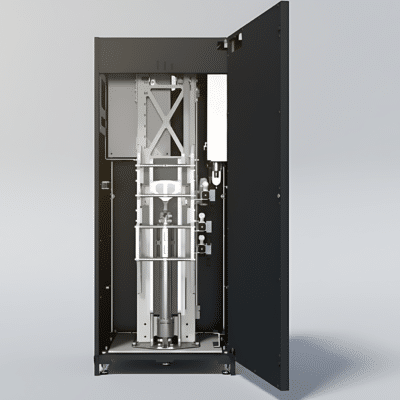
Install the assembled specimens into the appropriate pressure testing equipment. Configure instrumentation to monitor pressure, temperature, leakage, and other required test parameters.
Before testing begins, verify that gauges, sensors, and control systems are calibrated and operating within acceptable tolerances.
Apply the specified test conditions and monitor the assemblies throughout the qualification process. The objective is to verify that the press-connect joints maintain pressure integrity and mechanical performance under the required loading conditions.
Depending on the test program, evaluations may include pressure resistance testing, leak testing, durability assessments, and cyclic pressure testing to simulate long-term service conditions.
Accurate monitoring and documentation throughout the test are essential for demonstrating compliance.
Following completion of testing, inspect the specimens and document all measured values and observations. Record pressure levels, temperatures, leakage events, deformation, and any indications of failure.
Compare results against the applicable qualification criteria and prepare documentation to support certification, quality assurance, and product approval activities.
Always follow laboratory safety procedures when conducting pressurized testing. Pressurized systems can store significant energy and require proper safeguards during operation.
After testing, safely depressurize all equipment before removing specimens. Regular maintenance and calibration of pumps, sensors, fixtures, and monitoring equipment help ensure reliable operation and repeatable results.
Conducting IAPMO/ANSI/CAN Z1117-2022 testing requires careful specimen preparation, controlled pressure application, accurate monitoring, and comprehensive documentation. The process enables manufacturers to demonstrate the safety, durability, and performance of press-connect piping systems used in plumbing and mechanical applications.
We are at your disposal for any questions, comments and suggestions. We look forward to hearing from you.
Feel free to contact us using the contact form below.
We strive to answer all inquiries within 24 hours (on working days).