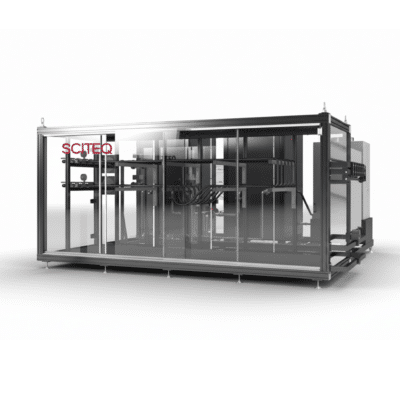
EN 12293 is superseeded by EN 19893:2018 Plastics piping systems – Thermoplastics pipes and fittings for hot and cold water – Test method for the resistance of mounted assemblies to temperature cycling.

IMPORTANT NOTE: EN 12293 is superseeded by EN 19893:2018 Plastics piping systems – Thermoplastics pipes and fittings for hot and cold water.
EN 12293 specifies a test method for evaluating the resistance of thermoplastics piping systems to temperature cycling. The standard is applicable to piping systems used in pressurized hot and cold water installations and focuses on the performance of assembled pipes and fittings when exposed to repeated temperature changes under load.
The test simulates real-life operating conditions by subjecting a mounted assembly to alternating cycles of hot and cold water while under pressure and mechanical stress. This allows manufacturers and testing bodies to verify the integrity and durability of joints and connections over time. Defines a method to test resistance to temperature cycling
The test standard is based on subjecting a complete piping assembly to alternating hot and cold water cycles under controlled pressure conditions. During testing, parts of the assembly are maintained under tensile stress or bending strain to replicate installation-induced forces and thermal expansion or contraction.
The system is monitored throughout the test for any signs of leakage, deformation, or failure. Key test parameters—such as temperatures, pressures, cycle durations, and number of cycles—are defined in the relevant system standard referencing EN 12293.
Test assembly and setup
The test assembly consists of pipes and fittings configured into a defined structure with three functional sections: an anchored section under tensile stress (branch A), a free-moving section allowing expansion (branch B), and a bent section to introduce flexural strain (branch C).
This configuration ensures that the test replicates realistic installation conditions, including fixed points, expansion zones, and bending stresses. Assemblies must be prepared and installed according to manufacturer recommendations before testing begins.
Test procedure
The test procedure begins by conditioning the assembly and filling it with water to remove all air. The system is then subjected to repeated temperature cycles, typically starting with cold water followed by hot water under controlled pressure.
During the initial cycles, adjustments are made to stabilize temperature variations and eliminate any initial leakage. The system continues to cycle for the required number of repetitions while being continuously inspected.
Inspect continuously for leakage and failures
Evaluation and reporting
Throughout the test and after completion, all joints are inspected for leakage or signs of degradation. Any leakage must be recorded along with its location and occurrence during the test cycle.
The final test report includes detailed information on test conditions, system configuration, applied stresses, temperatures, cycle durations, and overall performance. This documentation ensures traceability and compliance with system standards.
Assessing system type and requirements
Begin by identifying the intended application of the piping system and the relevant system standard that specifies the test parameters such as temperature range, pressure, and number of cycles.
Assembly preparation and configuration
Prepare the test assembly according to EN 12293, ensuring proper configuration of stressed, free, and bent sections. Confirm that all joints and components are installed in line with manufacturer instructions.
Temperature cycling test execution
Run the test using alternating hot and cold water cycles under defined pressure conditions. Monitor temperature differences and ensure compliance with allowable limits throughout the system.
Performance monitoring
Continuously inspect the system during testing for leakage or failure. Make any necessary adjustments during initial cycles to stabilize the setup.
Documentation and compliance
Compile a complete test report including all relevant parameters and observations. Maintain records to demonstrate compliance with EN 12293 and the applicable system standard.
Takeaway
EN 12293 is a key test standard for verifying the durability and reliability of thermoplastics piping systems under realistic thermal and mechanical conditions. By simulating repeated temperature cycling in a controlled environment, it ensures that piping systems can withstand long-term service without leakage or joint failure.
Summary
Testing according to EN 12293 ensures that thermoplastics piping systems can withstand repeated temperature changes and mechanical stresses encountered in real-world installations. By following a structured test method and documenting results thoroughly, manufacturers and testing laboratories can verify system performance and ensure long-term reliability.
We are at your disposal for any questions, comments and suggestions. We look forward to hearing from you.
Feel free to contact us using the contact form below.
We strive to answer all inquiries within 24 hours (on working days).